
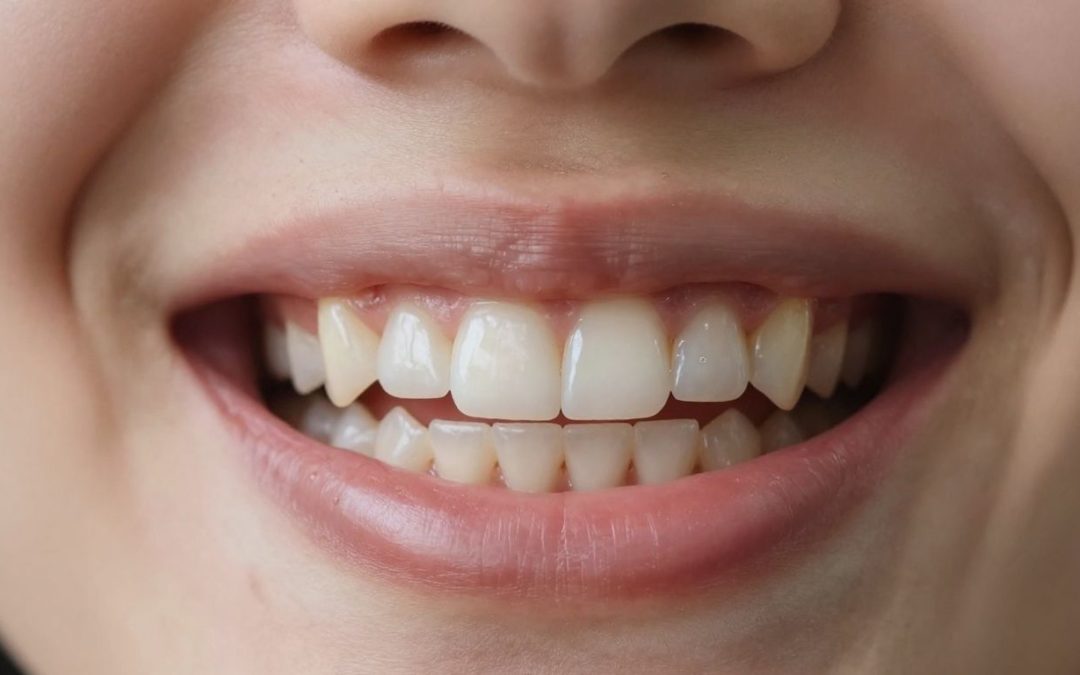
Lots of people wonder if there’s a way to fix an overbite without the obvious metal braces. The good news is that dental tech has gotten pretty good, and now there are more discreet ways to handle this common bite issue. This article looks at how Invisalign, those clear aligners, can be used to correct overbites, what’s involved, and who might be a good fit for it.

Key Takeaways

  • Invisalign clear aligners can effectively treat mild to moderate overbites by gradually moving teeth into their correct positions.
  • The treatment process involves a series of custom-made aligners, worn for 20–22 hours daily, with regular orthodontist check-ups.
  • More severe overbites or jaw misalignment might need extra appliances or traditional braces.
  • Invisalign offers a discreet and comfortable alternative, with aligners you can remove for eating and cleaning.
  • Treatment duration usually ranges from 12 to 24 months, depending on how complex your case is.

Understanding Overbites: What Are They?

An overbite shows up when your upper front teeth stick out noticeably past your lower front teeth when you bite down. While a light overlap is normal, a larger gap can create a bunch of dental problems over time.

Here’s what you need to know about overbites:

  • An overbite is when the upper teeth extend beyond the lower teeth, usually by about 30–50% in a normal bite, but more in pronounced cases.
  • Small overbites are common and usually don’t need fixing, but bigger ones can lead to jaw pain, worn teeth, or problems with chewing and speaking.
  • Overbites can be caused by habits as a kid (like thumb sucking), losing baby teeth early, or simply how your jaw lines up as you grow older.
Overbite Type Description
Normal Upper teeth cover 1/3 to 1/2 of lower teeth
Mild Slightly more coverage than usual
Severe/Deep Bite Major overlap, possibly with symptoms

Sometimes, correcting an overbite does more than just make the smile look better; it also lowers the odds of jaw aches, excessive tooth wear, or gum issues.

If you want a simple breakdown: having some overlap is totally fine, but when the top teeth hide too much of the bottom, that’s when it’s called an overbite and may need orthodontic treatment. For more on what exactly makes an overbite a problem, check out this quick explanation of what is an overbite.

Can Invisalign Fix an Overbite?

Close-up of smile with Invisalign aligners on teeth.

So, you’re wondering if Invisalign can actually fix an overbite? The short answer is yes, for many people, it absolutely can. Invisalign clear aligners are designed to gradually move your teeth into a better position, and this includes correcting an overbite. It’s a pretty neat system that uses a series of custom-made trays to apply gentle pressure, shifting your teeth bit by bit over time. Think of it like a very precise, slow-motion puzzle where each aligner is a piece that helps put everything in its right place.

How Invisalign Works for Overbites

Invisalign tackles overbites by focusing on tooth movement. When you have an overbite, your upper front teeth overlap your lower front teeth more than they should. Invisalign uses advanced 3D scanning to map out exactly how your teeth need to move. From this scan, a series of aligners are created. You’ll wear each set for about one to two weeks, and each new set pushes your teeth a little closer to the desired final position. This controlled movement helps to reduce that excessive overlap.

  • Digital Planning: A 3D scan creates a precise map of your bite.
  • Custom Aligners: A series of clear trays are made just for you.
  • Gradual Movement: Each aligner applies specific pressure to move teeth.
  • Attachments: Sometimes, small tooth-colored bumps (attachments) are added to your teeth to help the aligners grip better and guide tooth movement more effectively.

For some cases, especially those involving a bit more complexity with how the jaw is positioned, your orthodontist might also recommend using elastics. These tiny rubber bands connect between the upper and lower aligners, helping to guide your jaw into a more ideal alignment while the teeth are straightening. It’s all about creating that perfect bite.

It’s important to remember that consistency is key. Wearing your aligners for the recommended 20-22 hours a day is non-negotiable if you want to see results. Taking them out too often or not wearing them long enough can really slow down or even halt your progress.

Severity of Overbite and Invisalign Effectiveness

Now, not all overbites are created equal. Invisalign is generally most effective for mild to moderate overbites. These are typically cases where the primary issue is the position of the teeth themselves, rather than a significant problem with the jaw structure. If your overbite is quite severe, or if it involves a major misalignment of the jaw, traditional braces or even surgery might be a better option. However, for many people, Invisalign can effectively treat overbites, especially when combined with elastics or other specific techniques.

Here’s a general idea of how severity can impact treatment:

Overbite Severity Invisalign Effectiveness
Mild Highly effective; often quicker treatment times.
Moderate Effective, but may require more aligners and longer duration.
Severe May require adjuncts (like elastics) or alternative treatments.

Ultimately, the best way to know if Invisalign is the right choice for your specific overbite is to consult with an orthodontist. They can assess your bite, discuss your options, and give you a realistic idea of what to expect from treatment.

The Invisalign Treatment Process for Overbites

So, you’re thinking about Invisalign for your overbite? That’s great! It’s a pretty common reason people look into clear aligners. The whole process is designed to be straightforward, even though it’s doing some pretty complex work on your teeth and bite. It really boils down to a few key stages.

Initial Consultation and Assessment

First things first, you’ll meet with your orthodontist. They’ll take a good look at your teeth and discuss your overbite. This isn’t just a quick peek; they’ll likely use digital scans or X-rays to get a really detailed picture of what’s going on. This is where they figure out if Invisalign for deep bite is the right path for you or if something else might be better. They’ll talk about the severity of your overbite and what results you can expect.

Receiving Your Custom Aligners

Once the plan is set, the magic happens in the lab. Your orthodontist will use those scans to create a series of custom-made aligners just for you. Each set is designed to move your teeth a little bit closer to their final, corrected position. You’ll get a whole batch of these aligners at once, or sometimes in stages, depending on your orthodontist’s preference.

Wearing and Changing Aligners

This is where your commitment comes in. You’ll need to wear your aligners for about 20 to 22 hours every single day. Seriously, take them out only to eat, drink (water is fine!), brush, and floss. You’ll switch to a new set of aligners typically every one to two weeks. Each new set applies slightly more pressure, continuing the work of straightening your teeth and correcting your bite issues. It’s a gradual process, and you won’t see huge changes overnight, but trust the process!

Regular Check-ups with Your Orthodontist

Don’t think you’re off the hook after getting your aligners! You’ll have regular appointments, usually every 6-8 weeks. Your orthodontist will check your progress, make sure everything is moving as planned, and give you your next sets of aligners. They can also make any minor adjustments if needed. This is also a good time to ask any questions you might have about invisalign treatment for bite issues or how long does invisalign take for overbite.

The entire Invisalign treatment process, from start to finish, is carefully mapped out using advanced digital technology. This allows for precise movements and a predictable outcome, making it a popular choice for many seeking to correct their smile without traditional braces.

Benefits of Using Invisalign for Overbite Correction

So, you’re thinking about correcting an overbite and wondering if Invisalign is the way to go? It’s a pretty popular choice, and for good reason. One of the biggest pluses is that these clear aligners are way less noticeable than traditional metal braces. Seriously, most people won’t even know you’re straightening your teeth. This makes it a great option if you’re a bit self-conscious about your appearance during treatment.

Beyond just looking better, Invisalign offers some practical advantages too. Since the aligners are removable, you can take them out to eat whatever you want – no more worrying about getting food stuck in wires. Plus, brushing and flossing are just as easy as they were before you started treatment. This makes keeping your mouth clean a lot simpler, which is always a good thing.

Here are some of the key benefits:

  • Discreet Appearance: Clear aligners are nearly invisible, making them a subtle way to achieve a straighter smile.
  • Comfort: The smooth plastic is generally more comfortable than metal brackets and wires, reducing irritation.
  • Convenience: Removable aligners mean no food restrictions and easier oral hygiene.
  • Predictable Results: Advanced technology allows for precise planning and tracking of your progress.

Correcting overbite with clear aligners can be a surprisingly smooth process. Many find it’s a much more comfortable experience compared to the alternatives to braces for overbite issues. The gradual pressure applied by each new set of aligners helps move your teeth into the correct position without the sharp edges or potential poking of wires.

The technology behind Invisalign means your treatment is mapped out from the start. You’ll know what to expect and how your teeth will gradually shift. This predictability can be really reassuring.

Treatment times can vary, usually falling between 12 to 24 months, depending on how complex your specific overbite is. But for many, the trade-off for a more comfortable and discreet experience is well worth it. It’s a modern approach to fixing bite problems that fits into your lifestyle.

Potential Challenges and Considerations

While Invisalign is a fantastic option for many, it’s not a one-size-fits-all solution, especially when it comes to overbites. The effectiveness really hinges on how severe your overbite is. For milder cases, Invisalign often works wonders, but if you’re dealing with a really significant overlap, traditional braces might be a better bet. Sometimes, a combination of treatments is needed, and that’s where your orthodontist’s experience comes into play.

Here are a few things to keep in mind:

  • Commitment is Key: Invisalign requires you to wear the aligners for 20-22 hours a day. If you’re someone who tends to forget things or struggles with sticking to routines, this might be a hurdle. You have to take them out to eat and drink anything other than water, and then remember to put them back in. Losing aligners can also set back your treatment.
  • Severity Matters: As mentioned, mild to moderate overbites are generally well-suited for Invisalign. However, more complex bite issues might require the more robust force of traditional braces. It’s important to have a realistic expectation about what clear aligners can achieve for your specific situation. Some studies show success rates between 80-90% for suitable cases.
  • Attachments and Elastics: Depending on your overbite, you might need small attachments bonded to your teeth or rubber bands to help guide tooth movement. These can make the aligners a bit more noticeable, though still generally less so than braces.

It’s also worth noting that while Invisalign can be quicker for some mild to moderate overbites compared to braces, the overall treatment time can still vary widely. Factors like your age, how consistently you wear your aligners, and the specific movements needed all play a role in how long you’ll be in treatment. Don’t be surprised if your orthodontist gives you a range rather than a fixed date.

  • Cost: Invisalign can sometimes be more expensive than traditional braces, though prices vary greatly depending on your location and the orthodontist. It’s always a good idea to get a clear breakdown of costs upfront. You can explore how Invisalign addresses severe bite issues like overbites to get a better understanding of its capabilities.
  • Adaptability: While younger patients often benefit from their growing jaws, adults might find their bone structure less adaptable, potentially leading to longer treatment times for significant corrections.

Is Invisalign the Right Choice for Your Overbite?

Smiling person wearing Invisalign aligners for overbite correction

Figuring out if Invisalign is the answer for your overbite comes down to a few key things. Invisalign can be a strong option for many people with mild or moderate overbites, but it’s not a one-size-fits-all solution. Here’s what you should ask yourself:

  • How severe is your overbite? Invisalign generally works best when the overlap between your upper and lower teeth is between 2 and 4 millimeters (highly effective treatment for mild to moderate overbites).
  • Are you willing to wear your aligners as recommended, usually 20 to 22 hours each day?
  • Are you hoping for something discreet? Since Invisalign aligners are clear, they’re much less noticeable than braces.
  • How comfortable are you with regular orthodontist visits and following a changing aligner schedule?
  • Do you have other jaw or dental issues, or is it just the overbite?

Check out this quick comparison table to see if Invisalign might fit your needs:

Factor Invisalign Typically Works Well Consider Other Options
Overbite Severity Mild to Moderate Severe/Complex
Jaw Position Issues Minimal Major Jaw Alignment
Want Discretion? Yes
Daily Wear Time Possible? Yes (20–22 hours) No/Unsure
Age Teens & Adults (viable option for most ages) Younger Kids
  • If your overbite is mild or moderate, and you can stick to the treatment plan, there’s a good shot Invisalign will work for you.
  • For more severe bite issues, traditional braces or even surgery might still be needed.
  • Teens and adults usually see the most benefit, especially if they’re motivated to wear the aligners as directed.

Not sure what category you fall into? An orthodontist can give you the most reliable advice and help you choose a treatment that makes sense for you, your lifestyle, and your teeth.

Conclusion

So, can Invisalign actually fix an overbite? The short answer is yes, for many people. It’s become a really popular choice because it’s less noticeable than traditional braces and you can take them out to eat and clean your teeth. For mild to moderate overbites, especially those caused by tooth positioning, Invisalign can be quite effective. Clinical studies show a success rate around 90% for correcting overbites with these clear aligners.

However, it’s not a magic bullet for every single case. Severe overbites, particularly those involving significant jaw structure issues, might still need a different approach, possibly including traditional braces or even surgery. The effectiveness really hinges on a few things:

  • Severity of the overbite: How much do your upper teeth overlap your lower teeth?
  • Cause of the overbite: Is it mainly teeth alignment or a jaw development issue?
  • Patient compliance: How consistently do you wear your aligners for the recommended 20-22 hours a day?
  • Orthodontist’s skill: The treatment plan designed by your orthodontist is key.

Most people find that Invisalign treatment takes anywhere from 6 to 18 months, though this can vary. It’s all about getting a custom plan that works for your specific needs. Remember, the goal is not just a straighter smile, but also better function and long-term oral health.

Ultimately, the best way to know if Invisalign is the right path for your overbite is to talk to an orthodontist. They can assess your unique situation, discuss all the options, and help you make an informed decision about achieving your healthiest, most confident smile.

While Invisalign boasts high effectiveness, with many patients seeing great results, it’s important to have realistic expectations. The technology behind it is impressive, allowing for precise tooth movements, and many patients complete their treatment within the estimated timeframe. If you’re considering Invisalign for an overbite, booking a consultation with Mer Bleue Dental Centre is the best first step to determine the right treatment plan for your smile.

We’ve covered a lot of ground, but the most important thing is your smile. If you’re ready to take the next step towards a healthier, brighter smile, don’t wait. Visit our website today to learn more about our services and book your appointment. We’re here to help you achieve the smile you’ve always wanted!

Frequently Asked Questions

Can Invisalign really fix an overbite?

Yes, Invisalign can fix many overbites, especially if they are mild or moderate. The clear aligners gently move your teeth into a better position over time. For more serious overbites, especially those involving jaw problems, you might need extra tools or even traditional braces.

How long does Invisalign treatment for overbite usually take?

Most people finish Invisalign treatment for an overbite in 12 to 24 months. The exact time depends on how serious your overbite is and how well you follow your orthodontist’s instructions.

Are there cases where Invisalign can’t fix an overbite?

Yes, if your overbite is very severe or caused by your jaw shape, Invisalign alone may not be enough. Sometimes, other orthodontic tools or even surgery could be needed. Your orthodontist will help you choose the best plan.

Will I need to wear anything besides aligners for my overbite?

Sometimes, yes. If your overbite is more complicated, your orthodontist might add rubber bands or special attachments to your aligners to help move your jaw or teeth properly.

Is Invisalign better than braces for fixing an overbite?

Invisalign is great for mild to moderate overbites and is more comfortable and less noticeable than braces. But for really tough cases, braces might work better because they can handle bigger tooth and jaw movements.

Can kids and adults both use Invisalign for overbites?

Yes, both kids and adults can use Invisalign. For kids and teens, their growing jaws can sometimes make treatment even easier. Adults can also get great results, but treatment plans might be a little different.