

Here are some quick tips to remember for keeping your dentures in great shape and your mouth healthy. It’s not rocket science, just a few smart moves!
Key Takeaways
- Clean your dentures every single day, just like you would your natural teeth, to get rid of food bits and plaque.
- Always use a soft brush and a special denture cleaner; regular toothpaste is too harsh and can scratch them.
- Handle your dentures carefully, especially over a sink with water or a towel underneath, in case you drop them.
- Never use hot water to clean or soak your dentures, as it can cause them to warp and lose their shape.
- See your dentist regularly for check-ups, professional cleanings, and to make sure your dentures still fit well.
Why Denture Care is Important
So, you’ve got dentures. That’s great! They help you eat, talk, and smile with confidence. But just like anything you want to last, they need a little attention. Learning how to care for them properly is pretty important, not just for keeping them looking good, but for your overall mouth health too. Think of it this way: skipping out on cleaning can lead to all sorts of annoying issues, from sore gums to just not feeling fresh.
Your dentures are exposed to food bits, saliva, and bacteria all day long. Without regular cleaning, this stuff can build up. This buildup can lead to a few problems:
- Bad breath: Nobody wants that, right?
- Gum irritation: Your gums can get sore and inflamed.
- Infections: In some cases, bacteria can cause more serious issues.
- Staining and odor: Dentures can start to look and smell less than fresh.
Taking care of your dentures daily is key to preventing these problems. It’s not super complicated, but it does mean getting into a routine. This simple step helps prevent buildup throughout the day and keeps your dentures feeling fresher. Plus, keeping them clean helps them last longer, saving you money and hassle down the road. It’s really about maintaining comfort and function so you can keep enjoying your meals and your conversations.
Neglecting your dentures can lead to discomfort and potential health issues. A consistent cleaning routine is the best way to avoid these problems and keep your mouth healthy.
Remember, your mouth can change over time, and your dentures need to keep up. Regular check-ups with your dentist are important to make sure they still fit well and aren’t causing any irritation. They can also give your dentures a professional cleaning that gets to spots you might miss at home. This helps ensure your dentures remain comfortable and functional for years to come. You can find more information on maintaining oral hygiene with dentures.
Daily Denture Cleaning Routine
Keeping your dentures clean is a big part of your daily denture hygiene. It’s not just about making them look good; it’s about keeping your mouth healthy and preventing issues like bad breath or gum irritation. Think of this as your essential denture maintenance routine. The best way to clean dentures at home involves a few simple steps you should do every single day.
Brushing Your Dentures
Just like you’d brush your natural teeth, your dentures need a good scrub daily. This helps get rid of any food particles, plaque, and bacteria that have built up. It might seem obvious, but it’s a step many people skip, and it really makes a difference.
Here’s how to do it right:
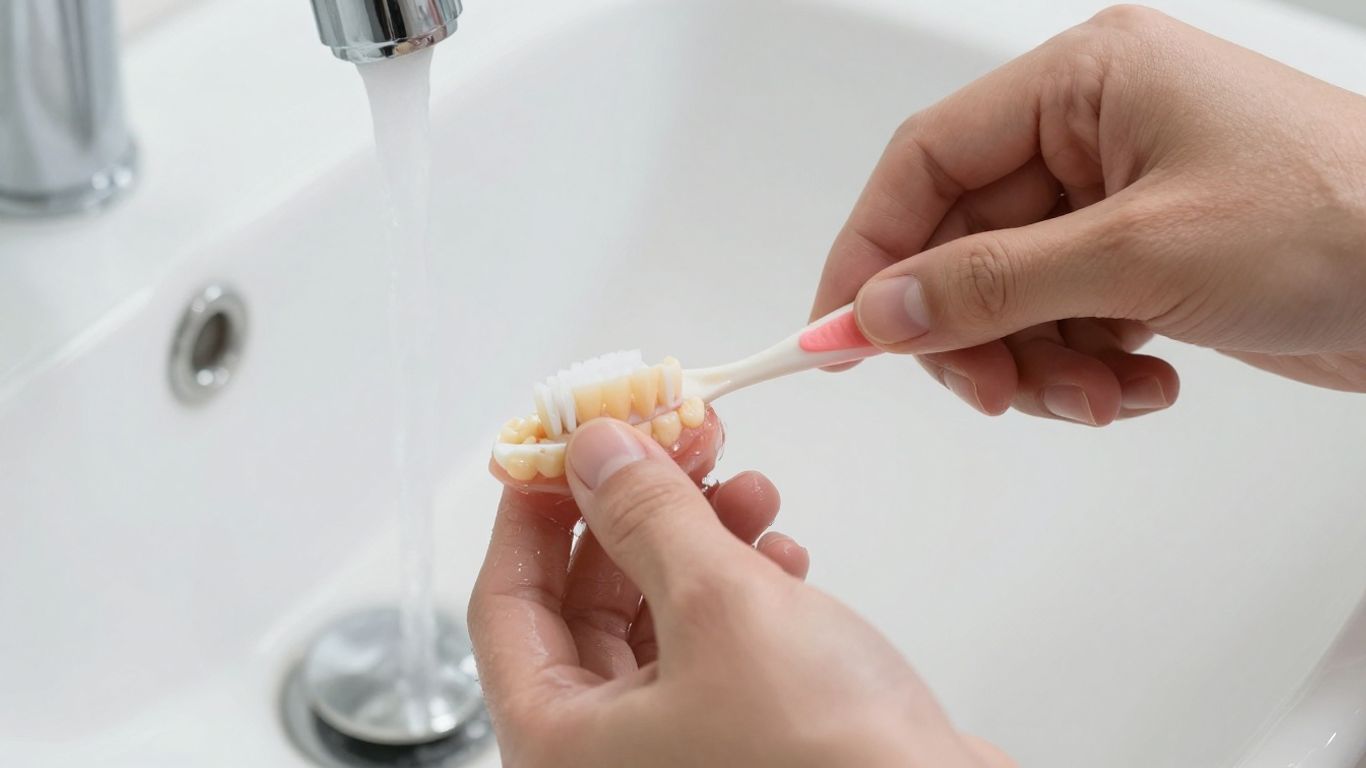
- Rinse first: Before you start brushing, take your dentures out and rinse them under cool or lukewarm running water. This washes away any loose bits of food.
- Use the right tools: Grab a soft-bristled brush. A special denture brush is ideal, but a soft toothbrush you only use for your dentures will work too. And importantly, use a non-abrasive denture cleaner. Regular toothpaste is too harsh; it can scratch the surface of your dentures, making them a magnet for more gunk.
- Brush gently: Carefully brush all surfaces of your dentures. Get into all the nooks and crannies, paying attention to any grooves or edges. Don’t scrub too hard, as you could damage them.
Remember to handle your dentures with care. It’s a good idea to do this over a folded towel or a sink filled with a bit of water. That way, if they slip from your grasp, they won’t take a direct hit on the floor.
Rinsing Your Dentures
After brushing, a thorough rinse is super important. You want to make sure all the cleaning solution and any loosened debris are completely washed away. This step is key to maintaining a smooth, clean surface that feels comfortable when you wear them.
- Rinse under running water again.
- Make sure no cleaning solution residue remains.
- This helps prevent any unpleasant taste and ensures your mouth doesn’t react to leftover chemicals.
Weekly Denture Maintenance
While daily cleaning is your bread and butter for denture care, a little extra attention once a week can make a big difference. Think of it as a spa day for your smile!
Soaking Your Dentures
This is super important. When you’re not wearing your dentures, they shouldn’t just be left out to dry. Keeping them moist is key to preventing them from warping and losing their shape. Always use cool water or a specialized denture soaking solution. Never, ever use hot water – it can seriously damage the material and affect how they fit.
Here’s a quick rundown on soaking:
- Use cool water or a denture soak: This keeps the material flexible and prevents drying.
- Avoid hot water: It can warp the dentures, making them uncomfortable or ill-fitting.
- Store in a clean container: Always use a covered container to protect them from damage and bacteria.
Remember to handle your dentures with care during cleaning and soaking. They might seem sturdy, but dropping them can lead to cracks or breaks. It’s a good idea to clean them over a folded towel or a sink partially filled with water.
Deep Cleaning Options
Sometimes, daily brushing just doesn’t cut it. You might notice a bit more buildup or feel like they need a more thorough clean. While your dentist is the best person for a professional deep clean, you can do a bit more at home weekly.
- Denture Cleansers: Use a non-abrasive denture cleanser. These are specifically designed to break down plaque and stains without scratching the denture material. Follow the product instructions carefully.
- Baking Soda Paste (Use Sparingly): For stubborn spots, a paste made from baking soda and water can sometimes help. Apply it gently with your soft denture brush. However, use this method infrequently, as even baking soda can be slightly abrasive over time.
- Professional Cleaning: Don’t forget that your dentist can provide a professional cleaning and check-up, usually recommended once or twice a year. They have special tools to remove tough buildup and can also check the fit of your dentures. This is a great way to catch any potential issues early on, like signs of wear and tear that you might miss.
Regularly soaking and occasionally deep cleaning helps maintain the integrity and appearance of your dentures, ensuring they remain comfortable and functional for a long time.
Caring for Your Mouth While Wearing Dentures
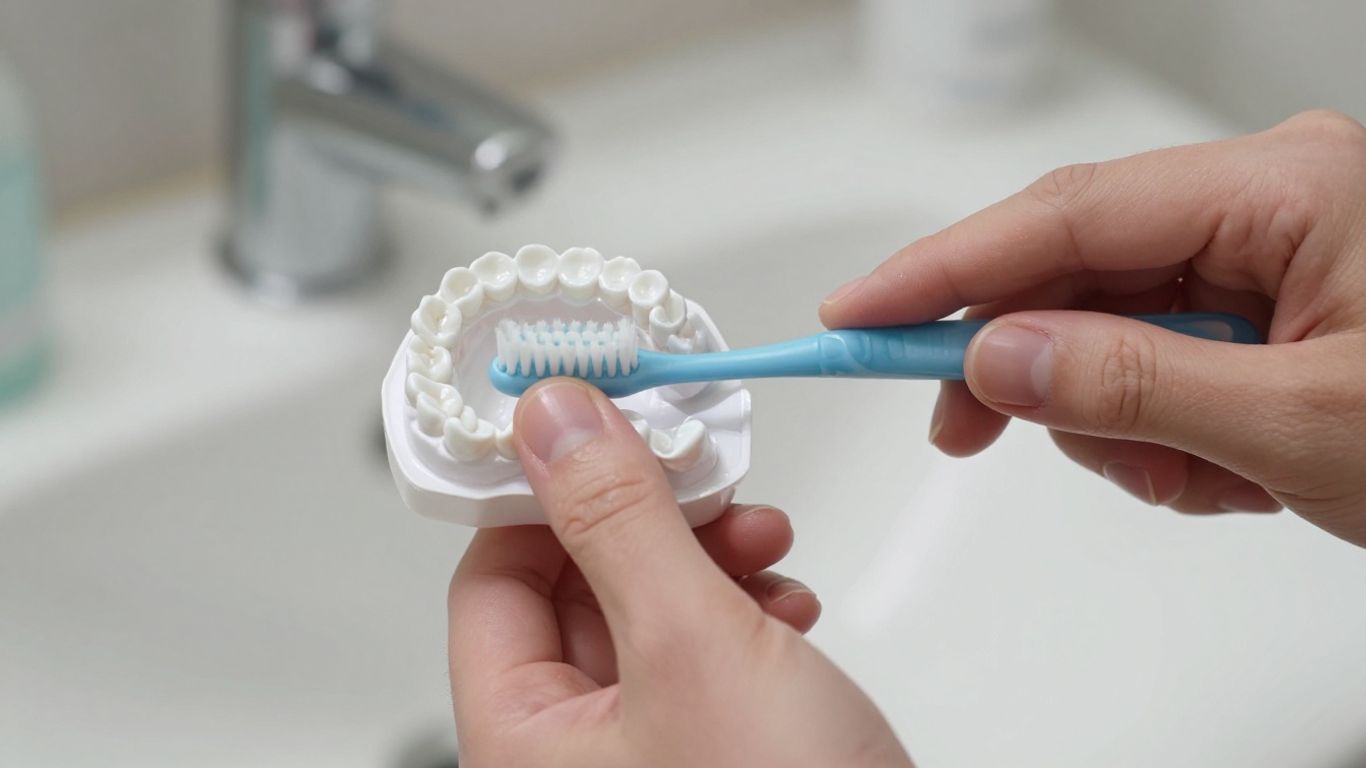
So, you’ve got your new dentures, and they feel pretty good. But remember, they’re not just about your teeth; they’re about your whole mouth. Keeping the parts of your mouth that aren’t covered by the dentures clean is just as important as cleaning the dentures themselves. It helps prevent irritation and keeps things feeling fresh.
Brushing Your Gums, Tongue, and Palate
Even though your dentures are doing the heavy lifting for chewing, your gums, tongue, and the roof of your mouth still need attention. Think of it as a mini spa treatment for your mouth every day. This helps get rid of any food bits or plaque that might have snuck under the edges of your dentures and keeps your mouth healthy.
- Use a soft-bristle toothbrush: Gently brush your gums, tongue, and the inside of your cheeks. You’re not scrubbing, just a gentle sweep.
- A damp washcloth works too: If a toothbrush feels too much, a soft, damp cloth can do the trick.
- Don’t forget your palate: If you have an upper denture, gently clean the roof of your mouth too.
This daily cleaning is a key part of how to care for dentures and your overall oral well-being.
Removing Dentures at Night
It’s really important to give your mouth a break from wearing your dentures. Taking them out at night allows your gums and the underlying bone tissue to rest and recover. It also helps prevent irritation and potential infections. Plus, it’s a good time to give your mouth that extra cleaning we just talked about.
Leaving your dentures in 24/7 can put constant pressure on your gums and jawbone, which isn’t ideal for long-term health. A nightly break is a simple yet effective way to support your oral tissues.
When you take your dentures out, make sure to rinse them thoroughly. Then, store them properly. Never let them dry out completely, as this can cause them to warp and affect their fit. Keep them submerged in cool water or a denture soaking solution overnight. This keeps them moist and ready for the next day.
What to Avoid When Caring for Dentures
It’s easy to make mistakes when you’re first getting used to dentures, but some common slip-ups can actually damage them or cause problems for your mouth. So, let’s go over what you should definitely steer clear of.
First off, never use regular toothpaste on your dentures. Toothpaste is designed to scrub teeth, and it’s way too abrasive for the acrylic and plastic that make up your dentures. Using it can scratch the surface, making them look dull and creating tiny spots where bacteria can hang out. You also want to avoid stiff-bristled brushes for the same reason. Stick to a soft-bristled denture brush or a soft cloth.
Another big no-no is hot water. Seriously, avoid anything hot or boiling. This can warp the material of your dentures, which means they won’t fit right anymore. Imagine your perfectly fitted dentures suddenly feeling all wrong – not fun. Always use lukewarm or cool water for cleaning and soaking.
Here are a few more things to keep in mind:
- Don’t try to fix them yourself: If your dentures feel loose, break, or have a chip, don’t try to glue them or bend them back into shape. This can cause more damage and make them unsafe to wear. Always call your dentist for any repairs or adjustments.
- Don’t let them dry out: When you’re not wearing your dentures, they need to stay moist. Store them in a denture solution or plain water. Letting them dry out can cause them to warp and lose their shape, affecting their fit.
- Don’t sleep with them in (usually): Unless your dentist specifically tells you to, it’s best to take your dentures out at night. This gives your gums a chance to rest and recover, and it helps prevent irritation.
Handling your dentures with care is also super important. They might seem tough, but dropping them can cause them to crack or break. Try cleaning them over a folded towel or a sink with a little water in it, just in case they slip.
Remember, your dentist is your best resource for any concerns about your dentures. They can help with adjustments and repairs, and they can also check on the health of your mouth. If you’re unsure about a cleaning product or method, it’s always best to ask them. For more on proper cleaning, check out specialized denture cleaners.
Also, don’t forget that your mouth still needs attention. Even with dentures, you should gently clean your gums, tongue, and the roof of your mouth daily with a soft brush or gauze. This helps keep your mouth healthy and prevents irritation. You can find more tips on caring for your mouth in our other guides.
When to See Your Dentist
Even with the best daily cleaning and maintenance, there are times when you absolutely need to get in touch with your dentist. Don’t try to tough it out or fix things yourself if something feels off. Your mouth and your dentures are unique, and a professional can spot issues you might miss.
Here are some signs that it’s time to schedule an appointment:
- Your dentures feel loose or are constantly slipping. This can happen as your mouth changes over time. A poor fit can lead to irritation and make it hard to eat or speak.
- You’re experiencing persistent soreness or irritation. A little discomfort when you first get new dentures is normal, but ongoing pain, red spots, or sores on your gums mean something needs adjusting.
- Your dentures seem damaged. This includes any cracks, chips, or breaks, no matter how small. Even tiny damage can affect the fit or harbor bacteria.
- You notice a change in how your dentures fit. Maybe they feel too tight, or there’s a new gap. Your mouth can change, and your dentures need to keep up.
It’s a good idea to have your dentist check your dentures and your mouth at least once a year, even if everything seems fine. They can catch potential problems early and make sure your dentures are still serving you well. Think of it like a regular tune-up for your smile.
Remember, Orleans Dental Centre is your partner in keeping your smile healthy and your dentures functioning properly. Their dental team has the tools and knowledge to make adjustments that can significantly improve your comfort and confidence. Don’t hesitate to reach out if you have any concerns about your denture fit or oral health.
Don’t wait until you have a toothache to visit your dentist. Regular check-ups are key to keeping your smile healthy and bright. If you’re experiencing any discomfort or it’s been a while since your last visit, it’s time to schedule an appointment. Visit our website to book your next dental check-up today!
Keep That Smile Shining!
So, taking care of your dentures might seem like a lot at first, but it really just comes down to a few simple habits. Clean them every day, handle them gently, and don’t forget to see your dentist regularly. Doing these things will help your dentures last a long time and keep your mouth feeling good. It’s all about keeping that smile looking and feeling its best, so you can keep on enjoying life.
Frequently Asked Questions
Why is it important to clean my dentures every day?
Even though dentures aren’t real teeth, they can still collect food bits, germs, and plaque. Not cleaning them daily can lead to yucky smells and sore gums. It’s really about keeping things fresh and preventing problems.
What’s the best way to clean dentures at home?
You should rinse your dentures after meals to get rid of food. Then, once a day, brush them gently with a soft denture brush and a special denture cleaner. Always use cool or lukewarm water, never hot!
Can I use regular toothpaste to clean my dentures?
Nope, it’s best not to. Regular toothpaste is too rough and can actually scratch the surface of your dentures. These scratches can then trap more food and bacteria, which is the opposite of what you want.
What should I do if my dentures feel uncomfortable or cause soreness?
A little soreness when you first get them is normal. But if they keep hurting or feel loose, don’t try to fix them yourself. Call your dentist right away. They can make adjustments to help them fit better and feel more comfortable.
How often do I need to see a dentist about my dentures?
It’s a good idea to visit your dentist about once a year for a check-up. They’ll make sure your dentures are still fitting well and that your mouth is healthy. If you notice any issues before your next appointment, don’t wait – call them sooner.
How long do dentures usually last?
With good care and regular check-ups, most dentures can last for about 5 to 10 years. Your mouth can change over time, so you might need adjustments or even a new set after a while to keep them fitting perfectly.