

At our Orléans clinic, this is one of the questions we field almost every week: a patient points to a chipped front tooth, a gap they’ve been self-conscious about for years, or a shade of grey that whitening never quite touched, and asks, “Can this be fixed — and how?” Nine times out of ten, the answer comes down to two options: dental bonding or porcelain veneers.
Both can genuinely change how a smile looks. They just get there in very different ways, at very different price points, and they’re not interchangeable — one fits certain situations far better than the other. Here’s how we walk patients through the decision at Mer Bleue Dental Centre.
Dental Bonding: The Same-Day Fix
Bonding is exactly what it sounds like — we apply a tooth-coloured composite resin directly onto the tooth, shape it by hand while it’s still soft, then harden it with a curing light and polish it until it disappears into your natural enamel. No lab, no waiting.
We reach for bonding most often when a patient comes in with:
- A small chip or crack from an accident or a bad habit (yes, we see a lot of pen-chewing and ice-crunching injuries)
- A narrow gap between the front teeth
- A tooth that’s slightly discoloured or an odd shape compared to its neighbours
What to expect at the appointment: most bonding is done in a single 30–60 minute visit, and because we’re adding material rather than cutting into the tooth, freezing usually isn’t needed unless we’re also treating a cavity underneath. Patients often tell us they’re surprised they can go straight back to work afterward.
Cost: in the Ottawa/Orléans area, bonding typically runs $300–$600 CAD per tooth, depending on how much correction is needed. We always walk patients through pricing against the Ontario Dental Association’s suggested fee guide before starting.
The honest trade-off: composite resin is softer and more porous than porcelain, so it picks up stains from coffee, tea, and red wine more readily, and it can chip if you’re hard on your teeth. We generally see well-maintained bonding hold up for 5 to 10 years before it needs a refresh — which, to be fair, is often exactly what patients want for a quick, affordable fix.
Porcelain Veneers: Built to Last
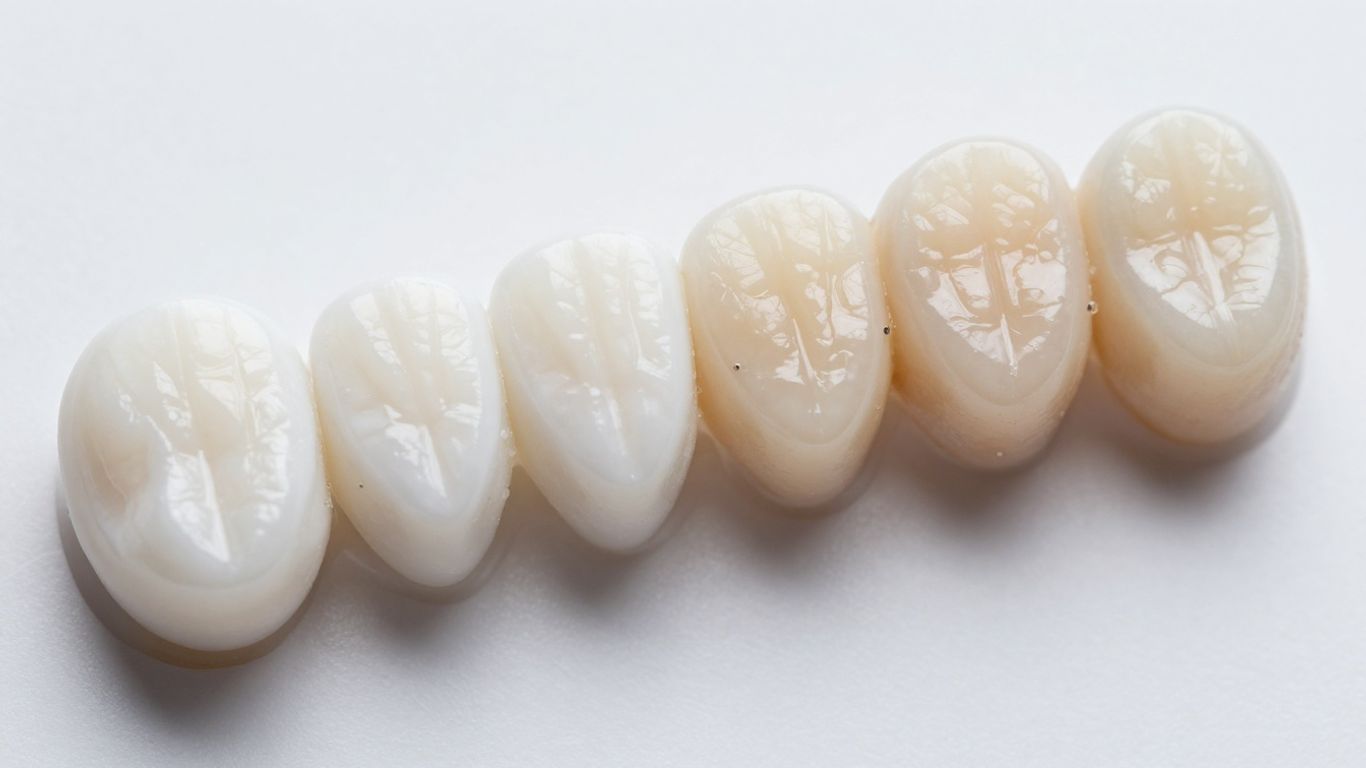
Veneers are custom porcelain shells fabricated in a dental lab and bonded to the front of your teeth. Unlike bonding, this usually means we remove a thin layer of enamel first so the veneer sits flush with your gumline and the teeth beside it.
We tend to recommend veneers when someone is dealing with:
- Staining that’s resistant to whitening — internal or medication-related discoloration, for example
- Multiple teeth that are uneven, worn, or oddly shaped
- A goal of a more uniform, symmetrical smile across several teeth at once
What the process actually looks like:
- Consultation — we assess enamel health, bite, and what you’re hoping to achieve, often with photos or digital scans.
- Preparation — a thin layer of enamel is removed and impressions go to the lab.
- Temporaries — you’ll wear temporary veneers for roughly 1–3 weeks while yours are made.
- Final fit — we check colour, shape, and bite before cementing the permanent veneers in place.
Plan on two to four visits over a few weeks, not a single appointment.
Cost: veneers in Ontario generally run $1,000–$2,500 CAD per tooth, depending on the material and lab work involved. Because they’re elective and cosmetic, they typically aren’t covered by private insurance and fall outside the scope of the Canadian Dental Care Plan (CDCP) — Mer Bleue Dental Centre is a participating CDCP provider, but CDCP funding is directed at essential and preventive care rather than cosmetic treatment. Worth confirming your own plan’s fine print regardless.
Durability: porcelain resists staining and wear far better than composite. With decent home care and regular checkups, we routinely see veneers still going strong at 15 years or more.
Bonding vs. Veneers at a Glance
| Dental Bonding | Porcelain Veneers | |
|---|---|---|
| Typical cost (per tooth, CAD) | $300–$600 | $1,000–$2,500 |
| Appointments | 1 | 2–4 |
| Enamel removed | Little to none | Thin layer |
| Stain resistance | Moderate | High |
| Typical lifespan | 5–10 years | 15+ years |
| Reversible? | Yes | No |
How We Actually Decide, Chairside
There’s no single “better” option — it genuinely depends on the tooth in front of us. During a consult, we’re weighing:
Enamel condition. Veneers need enough healthy enamel structure to bond onto safely; if there isn’t much left, bonding or another restoration may be the safer route.
How much correction is needed. One small chip is usually a bonding case. Widespread discoloration or several misaligned teeth is where veneers tend to earn their cost.
Your habits. Heavy coffee or wine drinkers, or patients who grind at night, get a different recommendation than someone who doesn’t.
Whether imaging is warranted. If there’s any question about the bite or underlying tooth structure, we’ll sometimes use digital X-rays or a CBCT scan before committing to cosmetic work — cosmetic goals should never override a proper structural check.
This mirrors current Canadian Dental Association guidance: cosmetic treatment planning should always follow, not replace, a full oral health assessment.
Questions We Hear Often
Does bonding hurt?
Rarely. Since we’re building up the tooth rather than cutting into it, most patients need no freezing at all.
Can I whiten veneers later if they get a bit dull?
No — porcelain doesn’t respond to bleaching gel. If the shade shifts over the years, the veneer itself needs replacing.
Does CDCP or my insurance cover this?
Generally, no — both are considered cosmetic. If bonding is repairing damage from an accident or decay rather than a purely cosmetic edge, some plans will cover part of it, so it’s worth checking your policy specifics.
Will bonding close a bigger gap?
Small-to-moderate gaps, yes. For wider spacing, we usually talk about Invisalign or veneers instead, since bonding alone can start to look bulky.
Is there any going back once veneers are placed?
No. Enamel removal makes it a one-way decision, which is exactly why we spend real time on the consult before moving forward.
So which one is right for me?
Honestly, we can’t tell you from a blog post — it takes a look in your mouth. That’s the one part of this we can’t shortcut.
Where This Leaves You
Bonding is the fast, affordable, reversible fix for smaller imperfections. Veneers are the bigger investment that holds up longer and handles more extensive cosmetic goals. Both are well-established, safe treatments — the right one just depends on your teeth, your budget, and how long you want the result to last.
If you’re in Orléans or the wider Ottawa area and weighing bonding against veneers, book a consultation with our team — we’ll take a look and give you a straight answer, not a sales pitch.
This article is intended for general educational purposes and does not replace a personalized assessment from a licensed dentist. Individual results, timelines, and costs vary based on each patient’s oral health.