

Losing a tooth changes more than your smile — it can affect how you chew, how you speak, and how the rest of your teeth settle over time. A dental bridge is one of the most common fixed solutions for closing that gap, but “bridge” isn’t a single product: it’s a category that includes several different designs, each suited to different mouths and budgets. This guide walks through what dental bridges for teeth actually are, the four main types, what the procedure involves, what they tend to cost, and how to care for one once it’s placed — so you can walk into a consultation at our Orléans dental clinic already knowing the right questions to ask.
Key Takeaways
Dental bridges can restore the appearance and everyday function of a smile after one or more teeth are lost. The right design depends on your supporting teeth, gums, bone, budget, and long-term goals.
- A dental bridge fills the space left by missing teeth with a fixed restoration.
- Traditional, cantilever, Maryland, and implant-supported bridges use different kinds of support.
- The dental bridge procedure usually involves planning, preparation, a temporary restoration, and final placement.
- Cost varies according to the bridge type, materials, supporting treatments, and number of teeth involved.
- Good brushing, flossing beneath the bridge, and regular dental visits help protect the result.
What Are Dental Bridges for Teeth?
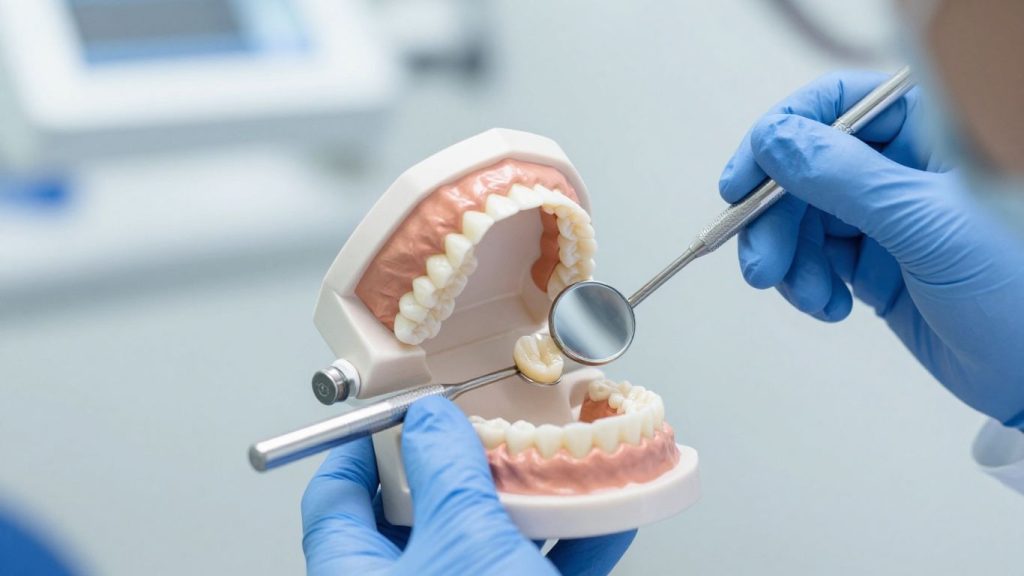
A dental bridge is a fixed dental restoration that replaces one or more missing teeth. It typically includes an artificial tooth, called a pontic, held in place by crowns or other attachments connected to neighboring teeth or dental implants. Unlike a removable partial denture, a bridge stays in the mouth during normal eating and speaking.
So, what are bridges for teeth really intended to do? They close a visible gap while helping restore chewing and speech. They may also help keep nearby teeth from drifting toward the open space, although the exact benefits depend on the location of the gap and your overall oral health.
A bridge is planned around the teeth and tissues that will support it. Your dentist examines your bite, gum health, remaining tooth structure, and the size of the space before recommending a design. Dental bridges may be considered when a fixed replacement is appropriate, but a personal examination is needed before treatment can be planned.
How Do Dental Bridges Work?
Dental bridges work by distributing biting forces across a support system. In a traditional design, the teeth beside the gap are prepared to receive crowns, and the replacement tooth is joined to those crowns. Other designs use a single supporting tooth, small wing-like attachments, or dental implants instead.
The bridge is shaped to fit your mouth and coordinate with your bite. Your dentist may select a shade and contour that blend with the surrounding teeth, while also allowing the restoration to be cleaned and checked. A well-planned bridge should feel increasingly natural as you become accustomed to it.
At Mer Bleue Dental Centre, our dental bridges are designed as prosthetic equivalents permanently attached to adjacent natural teeth, to restore smile and chew function. The practical question is not simply how dental bridges work, but whether the available support is healthy enough for that design. Healthy supporting teeth matter because they carry much of the load in a tooth-supported bridge.
A bridge does not replace the natural root of a missing tooth in the same way an implant does. That distinction can affect bone changes, cleaning, stability, and the number of appointments involved. Your dentist can explain how those differences apply to your particular gap.
Why You Might Need a Dental Bridge
People consider bridges for teeth for several reasons, most often to replace a tooth lost through decay, gum disease, injury, or extraction. A missing tooth can make chewing less comfortable and may alter how the surrounding teeth meet. It can also affect confidence when smiling or speaking.
Replacing missing teeth is not only a cosmetic decision. The open space can make it harder to distribute chewing pressure evenly, and neighboring teeth may gradually move into the gap. A bridge can provide a fixed way to restore the area, provided the supporting teeth and gums can tolerate the treatment.
A dentist may also discuss a bridge when a damaged tooth cannot be predictably restored and must be removed. The timing may depend on healing after extraction and the condition of the gum and bone. If you are facing an extraction, tooth replacement planning can help you understand when a replacement might be appropriate rather than leaving the space unattended.
What Are the Different Types of Dental Bridges?
The main types of dental bridges differ according to what holds the replacement tooth in place. The best option is influenced by the position of the missing tooth, the strength of nearby teeth, your bite, appearance goals, and whether implants are suitable. Here is a quick comparison before looking at each design more closely.
| Bridge type | Main support | Common consideration |
|---|---|---|
| Traditional | Crowns on teeth beside the gap | Requires preparation of supporting teeth |
| Cantilever | One adjacent supporting tooth | Not suitable for every biting location |
| Maryland | Bonded wings attached to nearby teeth | Often preserves more tooth structure |
| Implant-supported | Dental implants | May avoid preparing neighboring teeth |
These categories describe the basic structure, not a promise that one type will be right for everyone. The condition of your mouth and the forces placed on the restoration can change the recommendation. A consultation with our Orléans team gives the comparison clinical meaning for your situation.
Traditional Dental Bridges
Traditional dental bridges are supported by crowns placed over the teeth on either side of the missing-tooth space. The crowns and artificial tooth are made as one connected restoration. This is a familiar approach when the neighboring teeth are strong enough and already need substantial restorations — in cases with less extensive damage, your dentist might instead discuss inlays and onlays as a more conservative option.
Because the supporting teeth are reshaped, your dentist will weigh the benefit of a fixed replacement against the amount of healthy tooth structure involved. Careful design also matters for the gumline and the areas beneath the artificial tooth. Traditional bridges can be stable, but they need the same consistent hygiene as natural teeth.
Cantilever Dental Bridges
A cantilever dental bridge is attached to one supporting tooth rather than teeth on both sides of the gap. Dentists sometimes recommend this design when only one suitable neighboring tooth is available. Its use is limited by the location of the missing tooth and the amount of force that area receives.
The single support can create greater leverage, especially in parts of the mouth used for heavy chewing. For that reason, a dentist must assess your bite and the condition of the supporting tooth carefully. A cantilever design is not automatically interchangeable with a traditional bridge.
Maryland Dental Bridges
Maryland dental bridges use thin wings or frameworks that bond to the back surfaces of nearby teeth. They generally require less alteration of those teeth than a traditional crowned bridge. This can make the design appealing in selected cases, particularly where appearance and conservation of tooth structure are priorities.
The bonded connection must withstand normal chewing and biting forces. It may be more vulnerable to loosening in some situations, and the supporting teeth still need to be healthy and well positioned. Your dentist can assess whether the bite and location make this approach practical.
Implant-Supported Dental Bridges
Implant-supported dental bridges are held in place by dental implants rather than relying only on neighboring natural teeth. They can replace multiple missing teeth in a row, with the implants acting as anchors for the bridge. Dentists often recommend this approach when the surrounding teeth should not be prepared or cannot provide adequate support.
Implant treatment involves a different planning process, including an assessment of bone, gums, general health, and healing considerations. Implant-supported restorations may include bridges for multiple missing teeth, but the suitability of implants must be determined individually. The treatment can also take longer than a conventional tooth-supported bridge.
The Dental Bridge Procedure: What to Expect
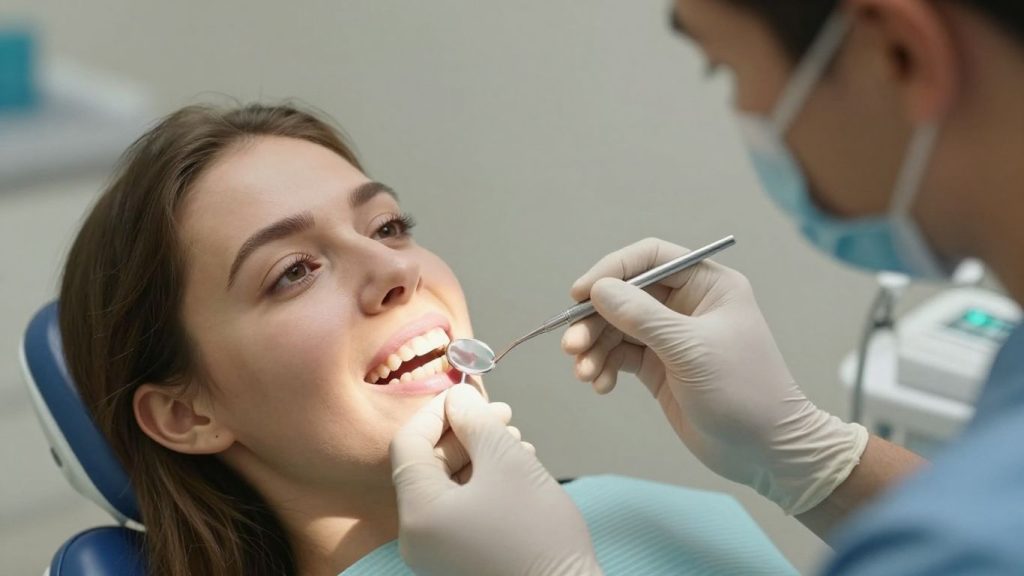
The dental bridge procedure begins with an examination and treatment plan. Your dentist checks the gap, supporting teeth, gums, bite, and any decay or infection that needs attention first. Digital scans, impressions, photographs, or dental X-rays may be used to design a restoration that fits comfortably.
For a traditional bridge, the supporting teeth are shaped under local anesthesia so crowns can fit over them. An impression or scan is then sent for fabrication, and a temporary bridge may protect the prepared teeth while the permanent restoration is made. The temporary stage can feel unfamiliar, so follow the instructions you receive about eating and cleaning.
At the final appointment, the dentist tries in the permanent bridge, checks the color and bite, and makes adjustments before cementing it or attaching it as planned. With implant-supported treatment, there may be additional surgical and healing stages before the bridge is fitted. The exact sequence still depends on the chosen bridge design and your clinical needs, so your dentist will confirm each step during planning.
Most people need some time to get used to the new contours. Mild gum sensitivity or an altered bite can occur briefly, but persistent pain, movement, or difficulty biting should be reported to your dental office. The final fit should be assessed rather than simply tolerated.
How Much Does a Tooth Bridge Cost?
The cost of a tooth bridge varies widely, so a single advertised number can be misleading. The price may reflect the bridge type, the materials selected, the number of replacement teeth, laboratory fees, and the complexity of preparing the supporting teeth. A traditional bridge and an implant-supported bridge involve different clinical steps and therefore should not be compared as identical treatments.
Additional care can affect the total. You may need treatment for decay or gum disease, a buildup or crown on a supporting tooth, an extraction, bone-related treatment, or temporary restoration. Insurance coverage also differs by plan, and some policies cover part of a conventional bridge while placing limits on implant-related services. If you’re uninsured, ask whether you qualify for the Canadian Dental Care Plan (CDCP), which may help offset costs.
When asking about the cost of a tooth bridge, request a written estimate that separates the restoration from preliminary and follow-up care. Ask how long the estimate remains valid, what adjustments are included, and whether replacement or maintenance is handled separately. This makes it easier to compare treatment plans without focusing on the lowest initial figure alone.
Caring for Your Dental Bridge
A bridge needs daily cleaning because food and plaque can collect around the supporting teeth and beneath the artificial tooth. Brush twice a day with a soft-bristled toothbrush and fluoride toothpaste, paying attention to the gumline. Clean underneath the bridge with floss threaders, interdental brushes, or another tool your dental professional recommends. If you also wear a partial denture alongside your bridge, our guide to denture care covers similar daily habits.
Small habits can protect the restoration and the teeth holding it. Try not to use the bridge to open packages or bite very hard objects, and mention clenching or grinding to your dentist. Regular visits allow the bridge, gums, bite, and supporting teeth to be checked before a minor issue becomes a larger repair.
A simple maintenance routine usually includes the following steps:
- Brush all accessible surfaces, including the margins near the gums.
- Clean under the replacement tooth every day.
- Attend professional examinations and cleanings as advised.
- Contact your dentist if the bridge feels loose, painful, sharp, or suddenly different.
These steps do not make a bridge maintenance-free, but they make problems easier to detect. If a bridge becomes loose, avoid chewing on that side and arrange an examination rather than trying to glue it back yourself.
Are Dental Bridges the Right Solution for You?
A bridge may be a good choice when you want a fixed replacement and have suitable support nearby. It can restore a more complete chewing surface without the daily removal associated with a removable appliance. The decision should account for both immediate comfort and the long-term health of the teeth and tissues involved.
Your dentist may discuss other tooth-replacement approaches if the neighboring teeth are weak, your gums are unhealthy, the gap is unusually large, or your bite places too much force on the proposed restoration. Budget, healing time, medical history, bone condition, and personal preferences all belong in the conversation. There is no universal answer to the question of which restoration is best.
A thoughtful consultation should leave you clear about the proposed bridge type, preparation, expected maintenance, alternatives, and total cost. Bring your questions, and ask for an explanation in plain language before agreeing to treatment.
Ready to Restore Your Smile in Orléans? Every mouth is different, and the right bridge design depends on your bite, gums, and long-term goals. Contact Mer Bleue Dental Centre today or call +1 613-841-9111 to book a consultation and find out which option fits your smile.
Conclusion
Dental bridges offer a practical, fixed way to replace missing teeth, but their success depends on thoughtful design, healthy support, and consistent care. Understanding the bridge types, procedure, cost factors, and maintenance requirements can help you have a more productive conversation with your Orléans dentist and choose a restoration that fits your mouth and priorities.
Frequently Asked Questions
What is a dental bridge?
A dental bridge is a fixed restoration that replaces one or more missing teeth. It uses crowns, bonded attachments, or dental implants for support, depending on the design.
How many teeth can a bridge replace?
Many bridges replace one to three adjacent missing teeth, although the safe span depends on the support available, the position of the gap, and your bite. Your dentist must assess the case individually.
Is getting a dental bridge painful?
The supporting teeth are usually treated with local anesthesia, so you should not feel the preparation itself. Some temporary sensitivity or gum tenderness may occur afterward, while ongoing pain should be checked by your dentist.
How long does the dental bridge procedure take?
A conventional bridge commonly requires a preparation visit and a later fitting appointment, with a temporary restoration between them. The timeline can be longer when extractions, gum treatment, or implants are involved.
How should you clean under a dental bridge?
Use a floss threader, interdental brush, or another method recommended by your dental professional to clean beneath the artificial tooth. Brush the supporting teeth and gumline carefully each day.
Can a dental bridge look natural?
A bridge can be shaped and shaded to coordinate with the surrounding teeth. The final appearance depends on the materials, laboratory work, gum contours, and the condition of the neighboring teeth.
What happens if a dental bridge becomes loose?
Avoid chewing on that side and contact your dental office promptly — our Orléans emergency dentist team can see you the same day in many cases. A loose bridge can expose supporting teeth to damage, and a dentist needs to determine whether it can be recemented or requires another solution.