
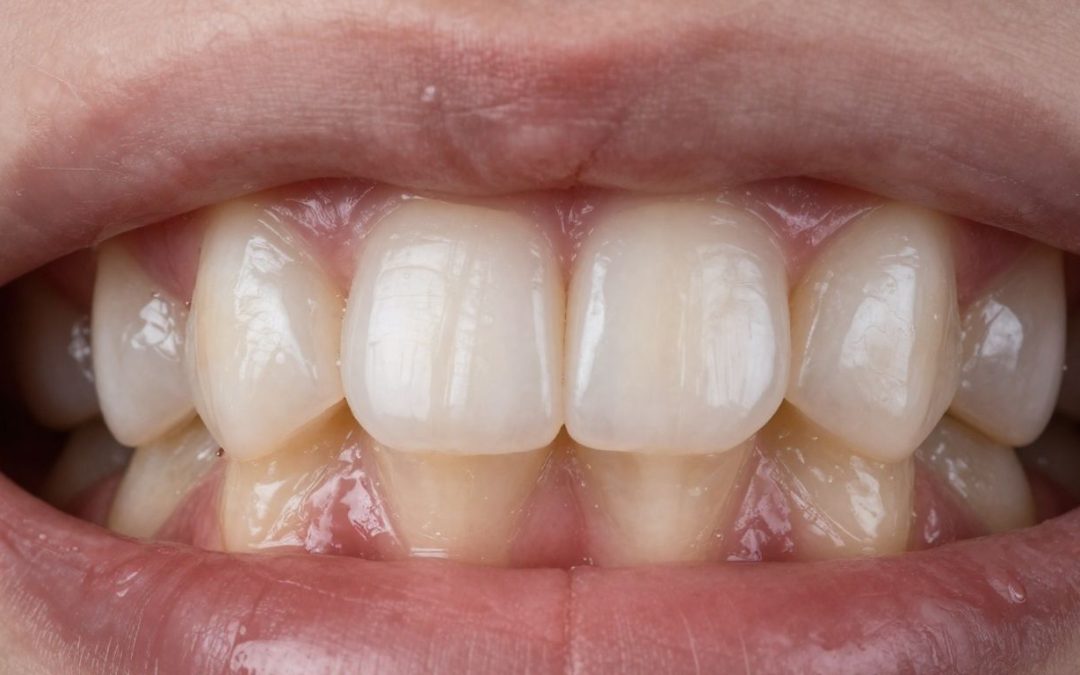
You know, sometimes your teeth get a little beat up. Maybe it’s a cavity that’s a bit too big for a regular filling, or maybe a tooth got chipped. When that happens, your dentist might suggest something called an inlay or an onlay. They sound a bit technical, but really, they’re just smart ways to fix up your teeth without going all the way to a full crown. Think of them as a super-customized repair for your tooth. We’ll break down what they are, why you might need one, and what the whole process looks like.
Key Takeaways
- Inlays and onlays are custom-made dental restorations that fit into or onto a damaged tooth, offering a middle ground between traditional fillings and crowns.
- They are a great option when decay or damage is too extensive for a standard filling but doesn’t quite need a full crown.
- These restorations are known for being more durable and longer-lasting than traditional fillings, helping to strengthen your tooth.
- Aesthetically, inlays and onlays can be made to match your natural tooth color, looking much more natural than older filling materials.
- The process involves preparing the tooth, taking an impression, having the restoration made in a lab, and then bonding it to your tooth by your dentist.
What Are Dental Inlays and Onlays?
Dental Inlays: The Basics
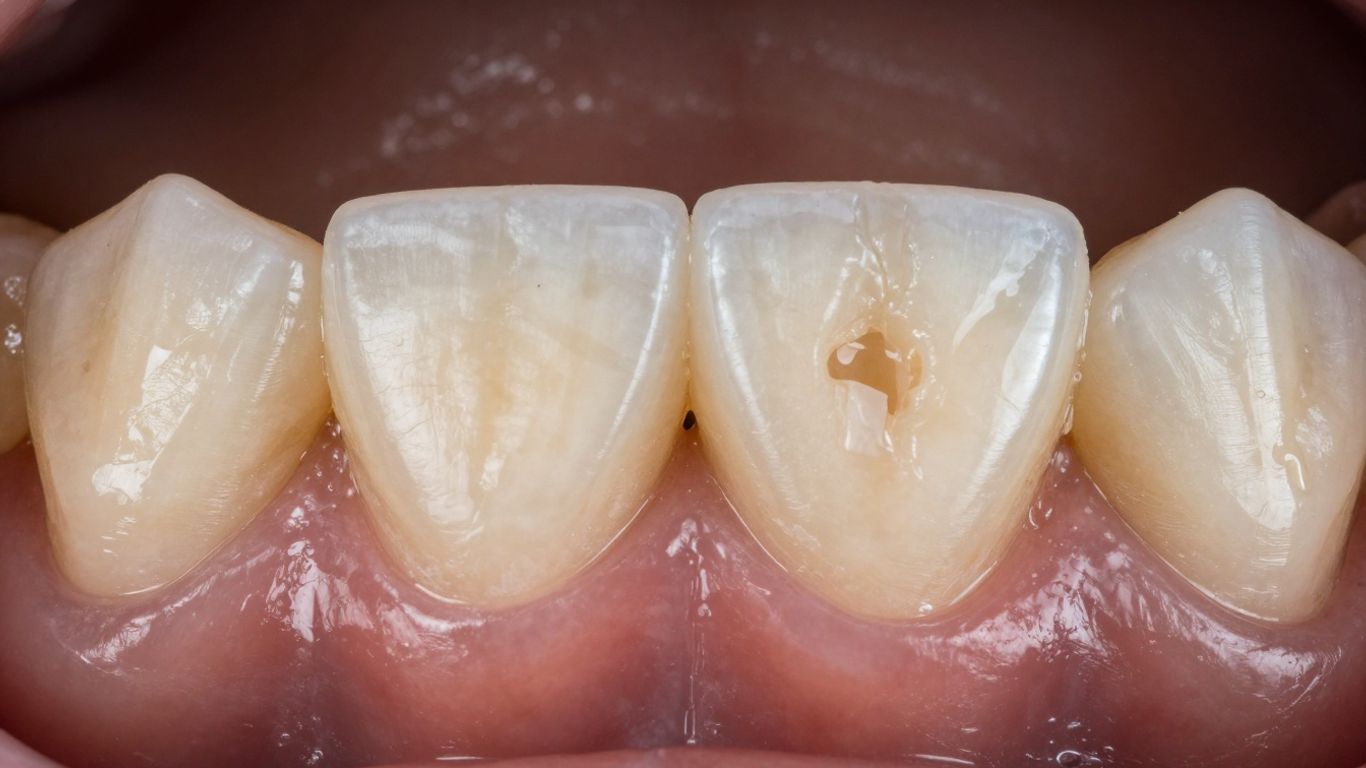
So, you’ve got a cavity, and your dentist says a regular filling might not be the best bet. This is where dental inlays come into play. Think of an inlay as a custom-made filling. Instead of packing a material directly into your tooth at the dental office, an inlay is fabricated in a lab to perfectly fit the prepared space in your tooth. It’s typically used when the decay or damage is contained within the cusps – those pointy bits on the chewing surface of your teeth. It’s a more precise way to restore a tooth’s shape and function. The material, often porcelain, gold, or composite resin, is bonded securely into place, offering a durable and natural-looking repair. It’s a step up from traditional fillings, especially for moderate damage.
Dental Onlays: Understanding the Difference
Now, what about onlays? They’re pretty similar to inlays, but they cover a bit more ground. While an inlay fits inside the cusps of your tooth, an onlay extends over one or more of those cusps. You might need an onlay if the damage or decay is a bit more widespread, affecting the chewing surface and potentially one or more of the cusps. Because they cover more of the tooth, onlays are sometimes called
Why Choose Inlays and Onlays Over Fillings?
So, you’ve got a cavity, and your dentist mentioned inlays and onlays as options alongside traditional fillings. It can be a bit confusing, right? Let’s break down why these might be a better choice for certain situations.
Durability and Longevity
When we talk about dental restoration options, durability is a big one. Traditional fillings, especially the older amalgam (silver) ones, can actually weaken your tooth over time. Think of it like this: a filling just sits in the hole, but an inlay or onlay is more like a custom-fit puzzle piece that bonds to your tooth. This means they can actually strengthen your tooth, sometimes by a lot. Studies suggest inlays and onlays can boost tooth strength by up to 75%, whereas amalgam fillings might reduce it by 50%. Plus, they’re made from tough stuff like porcelain or composite resin, which hold up way better against chewing and biting than typical fillings. This means they tend to last much longer – we’re talking 10 to 15 years or even more with good care, compared to fillings that might need replacing sooner.
Aesthetic Appeal
Let’s be honest, nobody wants a mouth full of silver. While modern fillings have improved, inlays and onlays really shine when it comes to looking natural. They’re custom-made to match the exact color and shade of your existing teeth. So, instead of a noticeable patch, you get a restoration that blends right in. This is especially great if the damaged tooth is in a more visible spot in your smile. They also tend to resist staining better than some other types of tooth fillings, keeping your smile looking its best.
Preserving Tooth Structure
This is a pretty significant advantage. With traditional fillings, sometimes healthy tooth structure has to be removed to make space for the filling material. Inlays and onlays, however, are designed to fit precisely into the prepared area, meaning less healthy tooth material needs to be removed. This conservative approach helps keep more of your natural tooth intact, which is always the goal for long-term dental health. It’s a way to fix the problem without causing unnecessary damage to the rest of the tooth.
Choosing inlays or onlays is often about getting a more robust and natural-looking fix for moderate to larger cavities. They offer a way to restore your tooth’s strength and appearance while preserving more of your natural tooth.
It’s worth discussing with your dentist if inlays and onlays are the right fit for your specific needs. They are a fantastic option when a cavity is too big for a standard filling but a full crown isn’t quite necessary yet. They really are a step up in terms of restorative dentistry for many people.
When Are Inlays and Onlays Recommended?
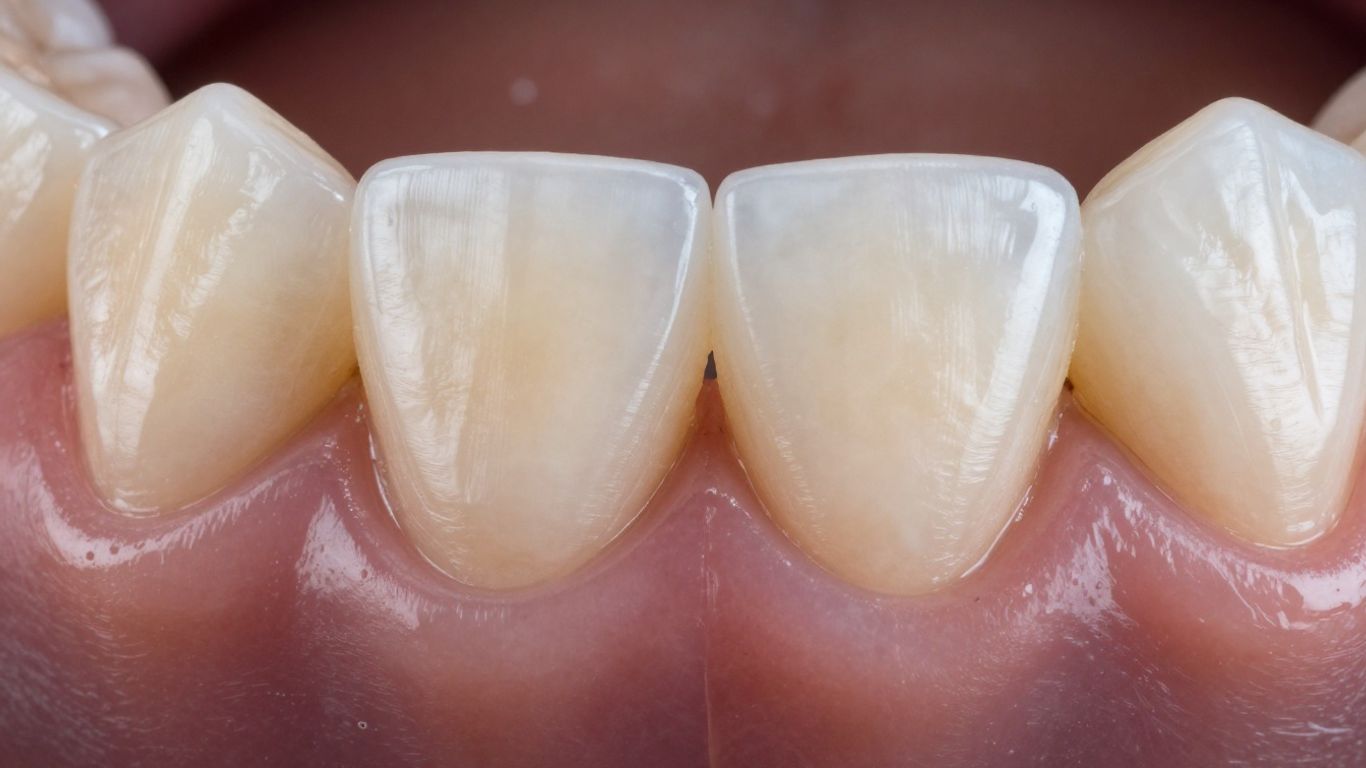
So, when exactly does a dentist say, ‘Yep, you need an inlay or onlay’ instead of just a regular filling? It usually comes down to how much of the tooth is damaged. Think of it this way: a small cavity might get a simple filling, but if the decay is a bit more widespread, a filling might not be strong enough to hold up. That’s where inlays and onlays step in.
Cavities Too Large for Traditional Fillings
If you’ve got a cavity that’s too big for a standard filling, your dentist will likely look at inlays or onlays. A filling basically fills the hole, but if the hole is really large, the filling can weaken the remaining tooth structure. Inlays and onlays are custom-made pieces that fit precisely into the prepared tooth. An inlay is used when the damage is in the center of the tooth, not reaching the cusps (the pointy bits on top). An onlay, on the other hand, is a bit more extensive and covers one or more of those cusps, essentially acting like a partial crown. This means they can restore more of the tooth’s strength and shape.
It’s important to know that these aren’t just for cavities. If a tooth has a crack or is chipped, and the damage is significant but not so bad that it needs a full cap, an inlay or onlay can be a great solution. They help hold the tooth together and prevent further damage. This is often a good alternative when you might otherwise be thinking about when to get a dental crown.
The decision to use an inlay or onlay is based on preserving as much of your natural tooth as possible while still providing the necessary strength and support. They are designed to be a durable, long-term fix for teeth that have experienced more than minor damage.
Here are some signs that might point towards needing an inlay or onlay:
- Persistent tooth sensitivity or pain that doesn’t go away.
- A tooth that has a noticeable crack or chip, especially if it affects your bite.
- Decay that has spread beyond a small area, making the tooth structure weak.
- Old fillings that are failing or have fallen out, and the underlying tooth structure is compromised.
Your dentist will examine the tooth closely to figure out the best approach. They’ll consider the size of the damaged area, its location, and the overall health of your tooth. For many people, these restorations offer a fantastic way to fix a damaged tooth without needing more extensive work like a full crown. They are a great option for restoring function and appearance, especially when you want a solution that looks natural. Learn more about restorative treatments.
The Inlay and Onlay Procedure: What to Expect
Getting dental inlays and onlays is a multi-step process, but it’s designed to be straightforward and comfortable. Think of it like getting a custom-fit piece for your tooth. First, your dentist will examine the tooth and remove any decay or damage. They’ll then shape the tooth so the inlay or onlay can fit perfectly. This preparation is key to making sure the restoration works well.
Next comes the impression. Your dentist will take a mold or a digital scan of your prepared tooth. This detailed impression is sent to a dental lab where your custom inlay or onlay is made. While that’s happening, you’ll get a temporary filling to protect the tooth. It’s not a big deal, just a placeholder.
The whole point of these restorative dental procedures is to be less invasive than a crown, meaning we save more of your natural tooth. It’s about precision and getting things to fit just right.
When you return for your next appointment, the temporary filling is removed. Your dentist will carefully place the permanent inlay or onlay, checking how it feels and how your bite lines up. They might make small adjustments to ensure it feels comfortable and functions correctly. Once everything looks good, the inlay or onlay is bonded securely to your tooth using a special dental adhesive. This makes it strong and ready for use. You might feel a little sensitivity afterward, especially to hot or cold, but that usually fades quickly. Your dentist will give you some tips on how to care for it, like avoiding really hard foods for a bit.
Here’s a quick rundown of the steps:
- Preparation: Removing decay and shaping the tooth.
- Impression: Taking a mold or scan for the lab.
- Temporary Filling: Placed while the permanent restoration is made.
- Placement: Fitting and bonding the final inlay or onlay.
- Adjustments: Fine-tuning for comfort and bite alignment.
It’s a careful process, but the result is a durable, natural-looking fix for your tooth, preserving more of your natural tooth structure.
Caring for Your Inlays and Onlays
So, you’ve got these fancy inlays or onlays in your mouth now. Pretty neat, right? They look like your natural teeth and do a great job of, well, being teeth. But like anything, they need a little TLC to keep them in tip-top shape.
First off, the basics: brush your teeth at least twice a day. Use a soft-bristled toothbrush and gentle motions. Think of it like polishing a nice piece of furniture – you don’t want to scratch it. Flossing daily is also a must, getting into all those nooks and crannies where food bits like to hide. Using a fluoride toothpaste is a good idea, too.
Here’s a quick rundown of what to do (and what to watch out for):
- Keep up with daily brushing and flossing. This is non-negotiable for keeping your mouth clean and healthy.
- Be mindful of what you chew. While inlays and onlays are tough, they aren’t indestructible. Try not to chew on really hard things like ice or very sticky candies.
- Visit your dentist regularly. Those six-month check-ups are important. Your dentist can spot any tiny issues before they become big problems and give your restorations a professional clean.
These restorations are built to last, often between 5 to 30 years with good care.
Sometimes, things might feel a little off. If you notice any sensitivity to hot or cold, a feeling that the inlay or onlay is loose, or see any chips or cracks, don’t just ignore it. Give your dentist a call right away. It’s better to get it checked out sooner rather than later. They can usually fix minor issues easily, but waiting can sometimes make things more complicated.
Taking care of your inlays and onlays isn’t really a big deal once you get into the routine. It’s mostly about sticking to good oral hygiene habits and paying attention to how your mouth feels. Think of it as an investment in keeping your smile looking and feeling great for years to come.
Taking care of your inlays and onlays is simple! Just brush and floss like you normally would to keep them clean and healthy. Remember to visit your dentist regularly for check-ups. Want to learn more about keeping your smile bright? Visit our website today!
Wrapping It Up
So, that’s the lowdown on inlays and onlays. They’re basically a smart way to fix teeth that have more damage than a regular filling can handle, but don’t quite need a full crown. Think of them as a middle-ground solution that can really save the day for a troubled tooth. If you’re dealing with a tooth that’s seen better days, it’s definitely worth chatting with your dentist to see if an inlay or onlay is the right move for you. The main goal is always to keep your smile healthy and strong, and sometimes these custom-fit pieces are just the ticket. Plus, if it means a longer-lasting fix and fewer dental visits down the road, that’s a pretty sweet deal. For personalized advice and high-quality restorative dental care, the team at Mer Bleue Dental Centre in Orleans is here to help you find the best solution for your smile. Take good care of those teeth!
Frequently Asked Questions
What’s the main difference between an inlay and an onlay?
Think of it like this: an inlay is like a filling that fits inside your tooth, usually in the center part. An onlay is a bit bigger and covers more, often including one or more of the pointy bits (cusps) on top of your tooth, especially if the damage goes onto the chewing surface.
Are inlays and onlays better than regular fillings?
Often, yes! If a cavity is too big for a standard filling, an inlay or onlay can be a stronger, more durable fix. They’re made from tough materials and fit precisely, which helps keep your tooth from breaking and can last much longer than a typical filling.
Do inlays and onlays look natural?
Absolutely! They are custom-made to match the color and shape of your own teeth. Unlike old silver fillings, they blend in so well that most people won’t even know you’ve had dental work done. It’s all about making your smile look as natural as possible.
How long do inlays and onlays last?
With good care, inlays and onlays can last for many years, often 10 to 15 years or even longer! They are made from strong stuff like porcelain or special resins that hold up well against chewing and biting. Keeping up with brushing and flossing helps them stick around.
Is getting an inlay or onlay a painful process?
Your dentist will make sure you’re comfortable. They’ll use numbing medicine to make sure you don’t feel any pain during the procedure. It involves a couple of visits, but the goal is to fix your tooth securely and comfortably.
How should I take care of my inlay or onlay?
Taking care of them is just like taking care of your natural teeth! Brush twice a day with fluoride toothpaste and floss daily. It’s also a good idea to see your dentist regularly for check-ups. Just avoid chewing on very hard things right on the restoration, and let your dentist know if anything feels off.